

Indian origin doctor kills daughter became a shocking headline that spread rapidly across international news platforms. Readers searching updates also noticed discussions on Raja Luck news pages covering major global incidents. The case raised serious questions about family disputes, forensic analysis, and criminal responsibility.
Key facts – Indian origin doctor kills daughter case
Before examining deeper details, readers should understand the central events reported by investigators. The case gained attention because forensic evidence contradicted the emergency call description. Reports show how investigators reconstructed the situation step by step.
- Authorities reported that the child was found in a swimming pool around 3:30 a.m. Emergency responders attempted medical support for nearly 20 minutes before hospital staff confirmed death at approximately 4:25 a.m.
- Medical experts performed an autopsy within 24 hours. Results revealed signs of suffocation rather than drowning, which raised immediate suspicion among investigators examining the circumstances surrounding the child’s death.
- Police reviewed security cameras from nearby properties recorded during a 6-hour period. Footage showed no activity suggesting an accidental fall into the pool during the night.
- Officers interviewed neighbours staying within 50 metres of the property. Witness statements suggested the environment remained quiet during the night before emergency services arrived.
- Investigators also examined the mother’s phone records covering a period of 48 hours. Digital data provided additional context regarding the timeline before the emergency call.
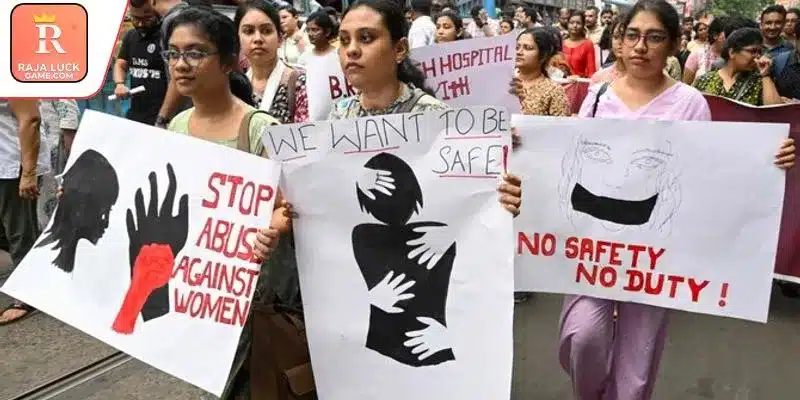
Investigation timeline and emerging evidence
Early reports offered limited information, yet investigators gradually reconstructed the sequence through forensic testing. Each discovery added another layer explaining why the event gained international attention. Readers interested in verified updates should examine the investigative steps described below. Continue exploring the sections that outline how authorities approached the case.
Forensic findings reveal key inconsistencies
Medical specialists conducted an extensive post-mortem examination lasting nearly 3 hours. The final report stated that lung analysis revealed minimal water presence, which typically appears in drowning cases within minutes. Because of this evidence, investigators began focusing on the possibility that the incident was not an accidental drowning scenario. Detailed medical photographs, tissue samples, and toxicology screening supported the conclusion that suffocation likely occurred before the body entered the pool.
Indian origin doctor kills daughter investigation timeline
Police reports describe a sequence beginning around midnight when the child reportedly went to sleep. Investigators analysed security footage recorded between 12:00 a.m. and 3:30 a.m., reviewing almost 210 minutes of video material. The footage showed no movement near the pool area during that time frame. Because of this absence of activity, authorities began examining whether the claim of accidental drowning matched the physical evidence collected.
Custody conflict mentioned during early inquiries
During interviews with relatives, investigators learned about an ongoing custody disagreement that had lasted nearly 18 months. Court filings showed several hearings involving guardianship arrangements and visitation schedules. Prosecutors later referenced this dispute while explaining potential motives during preliminary hearings. In several reports discussing the situation, the phrase Indian origin doctor kills daughter appeared repeatedly as investigators attempted to determine the true sequence of events leading to the child’s death.
Legal developments
Legal proceedings began soon after the initial investigation produced forensic findings. Court documents outlined charges that could result in decades of imprisonment if proven. Media outlets around the world reported on the case while authorities prepared evidence for trial. The following sections outline legal developments and public response.
Indian origin doctor kills daughter court process
Prosecutors filed a first-degree murder charge within weeks of the autopsy report. According to court filings, the preliminary hearing lasted nearly 4 hours while investigators described medical conclusions. Legal experts stated that if the charge leads to conviction, sentencing guidelines could involve imprisonment exceeding 30 years. The case therefore became widely discussed in legal commentary regarding forensic evidence reliability.
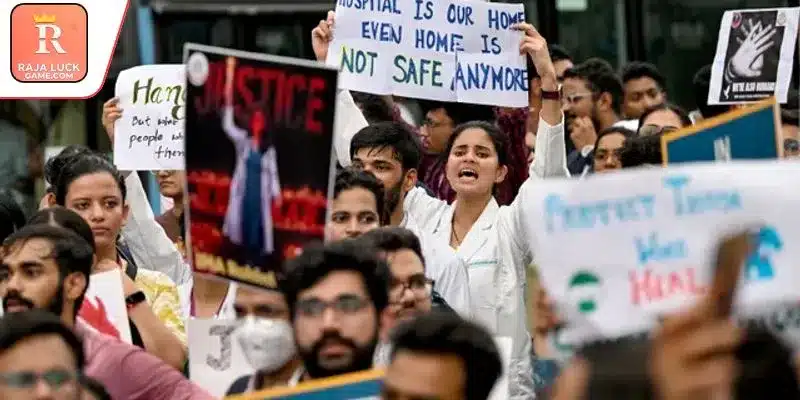
Evidence presented during early hearings
During the first court appearance, investigators presented photographs, autopsy findings, and digital communication records. Prosecutors explained that over 150 individual documents were collected during the early investigation phase. Defence lawyers argued that the situation may have resulted from confusion during a medical emergency. Even so, discussion across global news platforms frequently referenced Indian origin doctor kills daughter when summarizing the case background.
Media coverage expands across international outlets
Within days of the arrest announcement, more than 200 media organisations published updates describing the investigation. Journalists analysed forensic evidence while legal analysts debated potential outcomes. Online search interest increased sharply as readers attempted to understand the timeline behind the tragedy. Many news reports used the phrase Indian origin doctor kills daughter as the central headline summarizing the case.
Public discussion and social impact
Community reaction developed quickly after the case details became public. Social media discussions included thousands of posts within the first 48 hours following the arrest announcement. Many readers expressed concern regarding child safety, family conflicts, and legal accountability. As debates continued, articles explaining the evidence often repeated the phrase Indian origin doctor kills daughter when presenting verified facts.
Lessons readers can learn from high-profile investigations
Large criminal cases often highlight the importance of careful evidence analysis. Forensic science, digital data, and witness interviews all contribute to understanding complex incidents. Readers interested in legal reporting may find useful insights from the sections below. Continue reading to see how investigators typically approach cases of this nature.
Forensic science role
Autopsy analysis usually includes multiple procedures such as toxicology screening, tissue examination, and microscopic lung analysis. These tests can require between 24 and 72 hours depending on laboratory workload. In this case, forensic specialists concluded that suffocation indicators appeared stronger than drowning evidence. Because of that determination, reports continued discussing the role of medical science in explaining the incident.
Digital evidence – Indian origin doctor kills daughter
Investigators frequently examine phone activity, location data, and surveillance footage to reconstruct events. In many criminal cases, digital records covering 12 to 48 hours help clarify movements before an incident occurs. Analysts reviewing the evidence in this investigation studied several hours of recordings collected from nearby buildings. These findings strengthened the reconstructed timeline described in official reports.
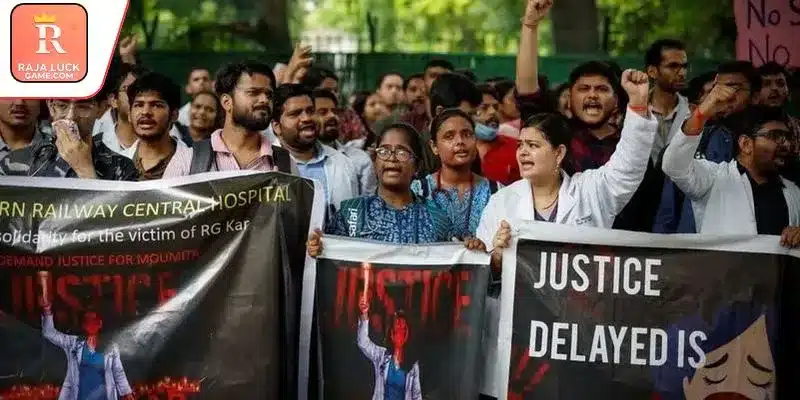
Court hearings could continue for several months
Complex criminal cases rarely conclude quickly because courts must evaluate extensive evidence. Legal experts explain that trials involving forensic testimony may last several weeks once proceedings begin. Witness interviews, medical specialists, and investigative officers usually present detailed statements. Observers following updates about Indian origin doctor kills daughter therefore expect a lengthy legal process before a final verdict appears.
Conclusion
Indian origin doctor kills daughter remains one of the most disturbing criminal cases discussed in recent news coverage. Readers continue searching for verified updates while investigators and courts review every detail carefully. News platforms such as Raja Luck information pages highlight major global incidents so readers stay informed about developments shaping public discussion.
