

Tribal religion code Madhya Pradesh is drawing attention as tribal leaders seek recognition for indigenous belief systems in official records. Raja Luck provides a brief news overview explaining the background and political reactions. The discussion affects millions across several districts.
Latest updates on tribal religion code Madhya Pradesh
The debate around identity classification has intensified in recent months as community representatives demand clearer recognition. Several political voices support the idea of listing indigenous belief systems separately in census records. The discussion reflects long-standing concerns among tribal communities about cultural visibility. Important developments shaping the situation include:
- Political leaders recently encouraged tribal groups to submit petitions requesting official recognition of traditional belief practices. Local reports mention that more than 100,000 signatures were collected within several districts during early campaign efforts.
- Tribal organizations argue that census categories currently group indigenous beliefs with larger religions. Activists claim that nearly 15 million citizens across central regions follow spiritual traditions tied to forests, ancestral rituals, or seasonal ceremonies.
- Critics from opposing political groups warn that such demands could trigger identity disputes. They argue the census framework already recognizes tribal communities through constitutional categories linked to welfare programmes.
- Supporters believe recognition may strengthen cultural preservation. Community representatives state that younger generations often lose knowledge about rituals once official documentation fails to reflect their spiritual heritage.
- Social researchers highlight that similar debates have appeared in several states during past census preparations. In some regions, surveys showed that nearly 28% of tribal households prefer recognition of indigenous belief systems instead of classification under broader religious categories.
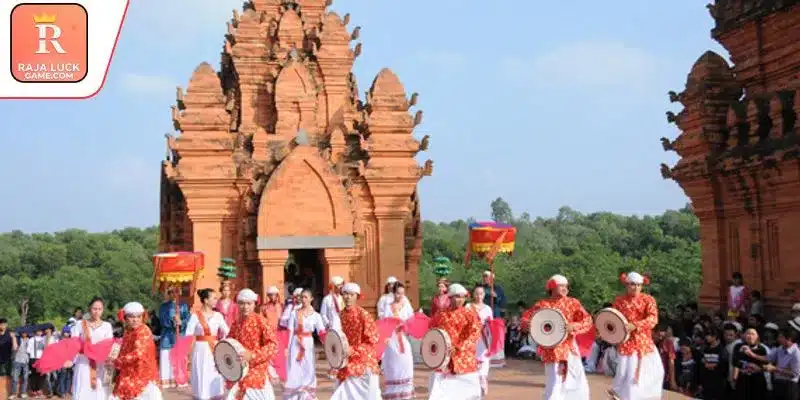
Political reactions shaping the national discussion
Public attention toward the topic increased after statements from prominent state leaders. Media outlets quickly reported responses from both supporters plus critics. Readers interested in political developments should follow the evolving debate carefully. Continue reading to explore the deeper background behind these positions.
Historical roots behind identity demand in tribal regions
Community historians explain that indigenous groups across central India practiced distinct spiritual traditions for centuries. Archival studies from 1951 census records show that early surveys documented more than 30 different tribal belief systems before broader categories were introduced. Supporters argue that tribal religion code Madhya Pradesh would help restore accurate classification reflecting those traditions, especially across districts where forest-based rituals remain central to community life.
Tribal religion code Madhya Pradesh strategy debate
Several analysts suggest that the proposal also carries political significance because tribal voters influence outcomes across many constituencies. Madhya Pradesh includes 47 assembly seats reserved for Scheduled Tribes, while more than 80 constituencies contain large tribal populations. Discussions around identity recognition therefore shape campaign narratives, particularly during periods when parties attempt to connect with local leadership networks.
Community leaders raise cultural preservation concerns
Tribal scholars often highlight that cultural practices depend strongly on recognition within official systems. When census documents merge indigenous beliefs into broader categories, researchers claim younger generations lose motivation to preserve rituals linked to nature worship. Supporters argue that tribal religion code Madhya Pradesh could provide a framework encouraging educational programmes documenting traditional festivals practiced across more than 12 districts.
Social implications
The identity discussion also carries significant social consequences beyond political rhetoric. Many tribal families see recognition as part of preserving cultural continuity across generations. Experts studying community development frequently link identity visibility with stronger local participation. Continue reading to understand how this issue may affect everyday life across tribal regions.
Tribal religion code Madhya Pradesh and identity visibility
Recognition within census documentation often shapes how communities perceive their place within national history. Scholars note that tribal populations across central India exceed 21% of the state population according to recent demographic estimates. Supporters say such recognition could strengthen visibility for traditions practiced by millions who maintain rituals connected to land, seasonal cycles, ancestral spirits.

Administrative implications discussed by policy observers
Government analysts also examine possible administrative outcomes if a new religious classification appears in census records. Officials would need updated data collection methods across nearly 55 districts where tribal households reside. Some policy discussions estimate implementation costs near 120,000,000 INR for nationwide survey adjustments, training programmes, documentation updates.
Tribal religion code Madhya Pradesh census changes
Introducing a separate category would require modifications within census questionnaires distributed during the next national survey cycle. Experts estimate that nearly 300,000 field enumerators participate during large population counts across India. If authorities approve the proposal, training manuals, data systems, statistical classification methods would require revision before enumeration begins.
Economic perspectives emerging from community discussions
Local representatives sometimes connect cultural recognition with development priorities. Leaders argue that identity acknowledgement may strengthen advocacy for welfare programmes, educational support, preservation initiatives. In several discussions, supporters mention that tribal religion code Madhya Pradesh could help highlight cultural heritage within official systems, allowing funding proposals tied to cultural tourism or heritage documentation to receive stronger policy attention.
Future outlook for the identity recognition movement
The debate surrounding tribal identity continues evolving as policy discussions expand beyond regional politics. Researchers, cultural leaders, political representatives all participate in the conversation shaping future outcomes. Readers following social policy trends should observe upcoming legislative sessions closely. The following insights explain what may influence developments ahead.
Community campaigns supporting recognition initiatives
Grassroots movements across several districts continue collecting public support statements. Activists report that awareness events reached more than 200 villages within the past year alone. During meetings, speakers frequently explain that tribal religion code Madhya Pradesh represents an effort to document spiritual traditions connected to forests, rivers, seasonal rituals practiced across generations.
Academic research contributing to the policy debate
Universities across India increasingly publish studies examining indigenous belief systems. Anthropological surveys completed between 2018 plus 2024 documented more than 60 traditional rituals practiced by tribal groups in central regions. These research findings contribute valuable context whenever lawmakers evaluate proposals connected to recognition or census classification frameworks.
Media coverage expanding national awareness
National news outlets now report extensively on the identity discussion emerging from central India. Television debates, digital reports, policy commentaries help audiences understand the complex historical context surrounding tribal belief systems. Media exposure often shapes public perception, especially as the debate around tribal religion code Madhya Pradesh grows while large population groups seek cultural recognition within official records.
Conclusion
Tribal religion code Madhya Pradesh continues drawing attention from political leaders, researchers, community representatives. Raja Luck highlights this topic to help readers understand discussions about cultural recognition within census policy. Future decisions may shape how indigenous traditions are recorded in official systems.
