

Kuno cheetah cubs born bring fresh attention to conservation progress at Kuno National Park. Raja Luck shares reliable updates for readers seeking clear wildlife news. The event reflects careful protection work plus growing animal numbers in the reserve. Continue reading for verified insights about this remarkable development.
Key facts behind the latest Kuno cheetah cubs born update
The recent wildlife update has attracted national attention. Readers seeking verified facts about the milestone can review the following highlights:
- Location of the event: Kuno National Park in Madhya Pradesh confirmed the birth of five cheetah cubs within a protected habitat zone. The park spans nearly 748 square kilometres, offering a favourable landscape for large predators. Field teams closely observe the mother using satellite tracking devices and direct monitoring to support the cubs during their early growth stage.
- Population impact: The new litter increases the total cheetah population inside the reserve to more than 50 animals. Wildlife specialists note that each successful birth improves long-term survival prospects for the species in the region. Earlier relocation programs during 2022 introduced adult cheetahs, forming a breeding population that now continues to grow steadily.
- Monitoring system: Rangers patrol nearly 90 kilometres of forest routes each day to maintain protection across the reserve. Veterinary teams evaluate feeding patterns, cub movement behaviour, and habitat safety conditions. Officials confirmed the birth after reviewing camera trap recordings that captured the mother moving alongside all five cubs.
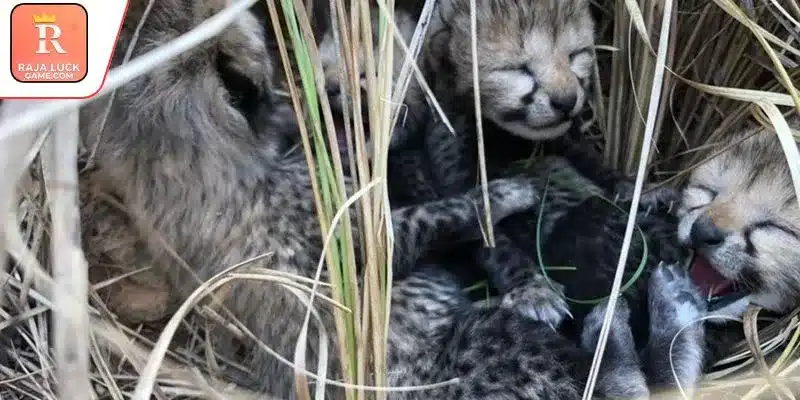
Wildlife breeding progress gaining attention
This conservation story encourages many readers to follow developments inside Kuno National Park. Understanding how breeding programs function helps people appreciate long-term wildlife planning. Continue reading to explore the mechanisms behind this conservation progress.
Habitat protection creating stable breeding ground
Wildlife specialists explain that strong habitat planning supports survival for young predators. Forest authorities have expanded prey populations across nearly 200 square kilometres of grassland habitat. Monitoring teams recently reported the Kuno cheetah cubs born milestone after observing stable prey density near the den location. The protected ecosystem includes antelope species, small deer populations, plus natural water points, creating conditions where newborn cheetahs gain higher survival chances during the first 12 months.
Kuno cheetah cubs born highlight relocation success
The breeding result reflects several years of planning between wildlife researchers plus forest authorities. In 2022, conservation teams relocated 20 adult cheetahs from southern Africa into carefully prepared enclosures within Kuno National Park. Field data now shows more than ten breeding attempts since the relocation program began. The record confirms that the animals have adapted to climate patterns, hunting terrain, and seasonal temperature shifts within the reserve.
Population monitoring using modern technology
Forest departments rely on GPS collars, drone mapping, camera traps to track predator movement across large forest zones. Rangers recently reviewed over 1,200 hours of monitoring footage during a six-month research cycle. During this analysis, officers confirmed the Kuno cheetah cubs born observation after reviewing multiple images captured near the mother’s resting site. Data collection helps wildlife experts estimate survival probabilities for each cub during the first year.
Long-term conservation planning at Kuno
Wildlife authorities continue strengthening protection systems across the reserve landscape. Each breeding success provides valuable information for scientists studying predator restoration. Read further to understand how the park plans future population growth.
Kuno cheetah cubs born support population expansion targets
Government wildlife strategies aim to build a stable population exceeding 100 cheetahs within the next decade. Experts calculate that every successful litter contributes strongly to this long-term objective. The recent birth of five cubs adds new individuals to the population structure, helping improve genetic diversity inside the reserve. Biologists estimate that survival of at least three cubs from each litter could potentially double the population within 10 to 12 years.
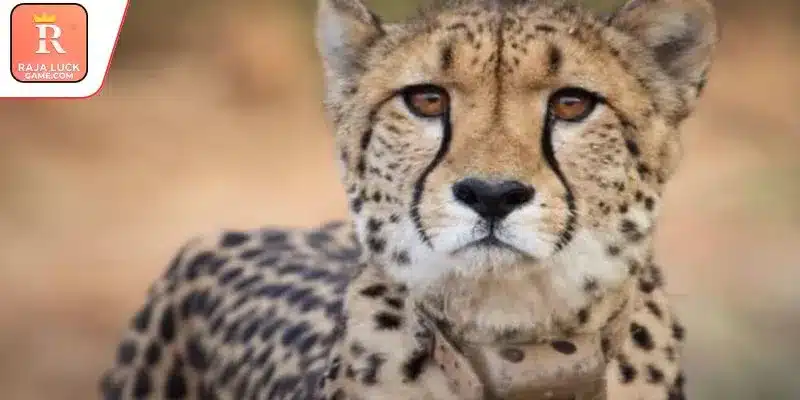
Research teams studying early cub development
Field scientists regularly record behavioural changes during the first months of cub growth. Observations include hunting lessons, movement distance, and maternal care patterns. During the week following the announcement, researchers documented the mother relocating her cubs roughly 2 kilometres from the original den site. This movement pattern protects young animals from predators while gradually introducing them to future hunting territory.
Kuno cheetah cubs born reflect rising ecosystem stability
Environmental specialists note that predator breeding signals broader ecological balance. Prey density surveys across the park recorded more than 14,000 herbivores within protected grasslands. This resource base supports carnivore survival across several territories. The milestone also shows that the habitat currently provides sufficient food resources for mothers raising multiple cubs in the wild.
Tourism interest expected to increase
Wildlife observers predict higher visitor interest following the breeding news. Park authorities recorded around 45,000 visitors during the previous tourism season. Interest in seeing cheetahs within natural habitat may increase that number beyond 60,000 during the next year. Officials emphasize that tourism zones remain separate from breeding areas to ensure the Kuno cheetah cubs born group grows safely without disturbance.
Understanding the conservation effort behind the story
Wildlife protection requires structured planning, scientific observation, and community cooperation. Many readers want to understand how these projects develop over time. The following information explains the broader conservation approach.
Community awareness programs supporting wildlife protection
Forest outreach programs educate residents living near Kuno National Park about predator conservation. Local communities participate in training workshops covering livestock safety, forest preservation practices, wildlife reporting systems. Officials reported over 2,500 villagers attended awareness meetings during the past year. Public cooperation strengthens protection efforts after the Kuno cheetah cubs born announcement, ensuring surrounding areas remain safe for roaming predators.
Ranger patrol networks covering wide territory
More than 300 forest staff members operate across the protected landscape throughout the year. Patrol teams rotate through surveillance sectors covering nearly 20 kilometres each. Rangers monitor illegal hunting activity, track predator movements, and maintain camera equipment along forest routes. These protection efforts help preserve habitats where cheetahs can breed safely without disturbance.
Scientific partnerships improving conservation knowledge
Wildlife institutions collaborate with forest departments to analyse predator behaviour. Research teams review satellite tracking data collected from collared cheetahs across several territories. Over the past three years scientists produced more than 15 research reports examining habitat adaptation patterns. Their findings helped identify breeding zones that eventually led to the Kuno cheetah cubs born success reported this season.
Conclusion
Kuno cheetah cubs born signals encouraging progress for wildlife restoration at Kuno National Park. The milestone highlights careful habitat planning, scientific monitoring, and long-term conservation commitment. Raja Luck will continue sharing verified updates so readers stay informed about developments surrounding this remarkable conservation story.
