

Racist attacks Indians Ireland quickly became a trending topic after a widely shared photograph showed students standing in line outside a food pantry. Raja Luck highlights verified updates so readers understand the real story behind online discussions. Read this report to learn verified details surrounding the event.
Racist attacks Indians Ireland incident draws discussion
The controversy began when a photo circulated online showing a queue outside a student food support center. Social platforms soon turned the image into heated discussion. Many comments focused on nationality assumptions instead of economic hardship. Debate intensified across forums after thousands of users shared cropped images.
Observers say the original article described rising student expenses across Ireland. Food support services helped learners facing high rent, transport costs, and daily living pressure. More than 3,000 individuals reportedly used the pantry service during one semester. Critics online instead focused attention on the ethnic appearance of people visible in the photo.
Digital posts soon transformed discussion into hostility. Several accounts claimed foreign students used food supplies meant for local communities. Comment threads included offensive remarks that drew criticism from advocacy groups. Analysts warned that the online narrative grew from misinformation rather than confirmed statistics.
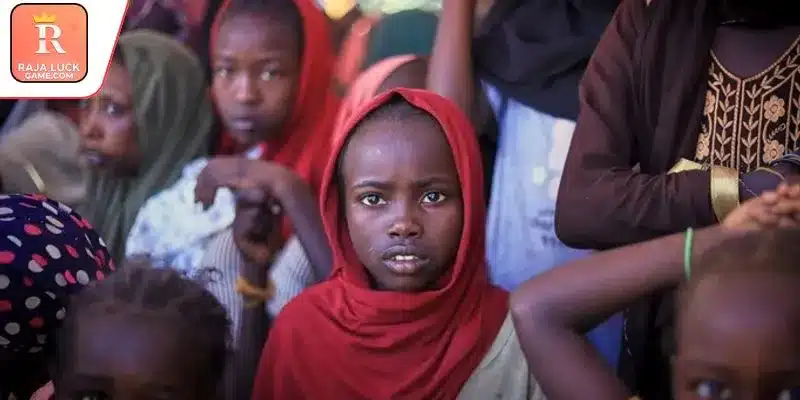
Understanding the background behind the viral photo
Public reaction to the image quickly turned intense. Media coverage began examining how the situation escalated across online communities. Readers should explore the timeline carefully before forming opinions. Continue reading to understand the deeper context behind the discussion.
Viral pantry photo triggered harsh online comments
The photograph appeared in a news article discussing economic pressure on students. Reports estimated that living expenses for a learner in Ireland could reach 120,000 INR monthly when rent, transport, and food were calculated. Shortly after publication, screenshots spread across forums where some users began linking the queue to nationality claims. Several commentators used the image to promote misleading narratives despite lacking verified data.
Online debate around racist attacks Indians Ireland
Discussion intensified during the following forty-eight hours as thousands of reposts appeared on social media feeds. Some commentators zoomed into the image to identify faces that looked South Asian, then used those screenshots to claim misuse of community aid. Digital researchers later counted more than 18,000 reposts connected with this debate. Many observers described the online reaction as an example of misinformation fueling social tension.
Student living costs behind the situation
Economic conditions formed the background of the original story. International learners studying in Ireland often manage rent payments near 85,000 INR each month in major university cities. Grocery costs, transport passes, academic materials can add another 35,000 INR monthly. Analysts explained that the pantry simply redistributed surplus supermarket food, yet discussions still returned to the racist attacks Indians Ireland theme spreading across social networks.
Social media reactions
The conversation continued growing after the first viral wave. Advocacy groups began collecting examples of hostile posts across several platforms. Journalists also investigated how the photo was interpreted in different regions. Explore the following details to understand responses from institutions and community voices.
Universities respond to racist attacks Indians Ireland
University representatives issued statements after the controversy reached international headlines. Administrators explained that food support programs assist any learner facing financial strain, regardless of nationality. Data from one campus showed more than 5,200 visits to the pantry during the previous academic year. Officials stressed that the online narrative ignored the broader economic context affecting students worldwide.

Community organizations speak against discrimination
Several nonprofit groups monitoring online discourse reported that hostile comments increased sharply after the photo circulated. One monitoring report recorded about 1,400 offensive remarks across five major social platforms during three days. Community leaders emphasized that online hostility harms international student safety perceptions. Activists again pointed out that the racist attacks Indians Ireland theme grew mainly from speculation rather than verified evidence.
Public debate on immigration narratives
The viral discussion also intersected with broader immigration conversations in Europe. Political commentators sometimes linked student migration numbers to economic debates. Ireland hosted more than 32,000 international learners during the last academic year according to education statistics. Analysts explained that economic anxiety often fuels simplified narratives such as racist attacks Indians Ireland when viral content spreads rapidly.
Media analysis of misinformation spread
Digital researchers later examined how the image traveled through networks. Tracking tools suggested the photo reached nearly 4 million views within two days after publication. Several reposts altered captions or removed context describing student hardship. Experts studying online behavior concluded the racist attacks Indians Ireland narrative emerged mainly through repeated misinterpretation of a single photograph.
Lessons readers should consider from the debate
The incident offers important insights into how online discussions evolve quickly. Experts studying digital communication say images without context often trigger emotional reactions. Readers benefit from examining full reports before drawing conclusions. Continue exploring the points below for a clearer perspective.
Why misinformation spreads rapidly across online platforms
Online platforms reward content that generates emotional engagement. Researchers reviewing this incident estimated that posts containing dramatic captions received three times more shares than neutral explanations. A misleading claim can reach thousands of screens within minutes once engagement begins. This pattern allowed the controversy surrounding the viral image to spread rapidly across online discussions.
Racist attacks Indians Ireland highlight verifying claims
Media analysts encourage readers to check original sources before reposting viral content. In the pantry photo case, the full article clearly focused on student economic pressure rather than nationality issues. Yet many users shared cropped screenshots without reading the report. This behavior allowed misleading narratives to spread quickly across digital communities.

Public awareness and sharing
Educational campaigns often emphasize responsible online sharing habits. Experts suggest reading at least two reliable reports before reacting to viral claims. Digital literacy programs introduced across universities have trained more than 8,000 students to identify misleading headlines. Observers believe better verification habits could reduce incidents similar to the racist attacks Indians Ireland controversy.
Conclusion
Racist attacks Indians Ireland remain a topic widely discussed after the viral pantry image circulated online. The debate shows how a single photograph can transform into global controversy when context disappears from digital conversations. Raja Luck encourages readers to review verified information carefully before forming conclusions about sensitive events.
