

Trump tariffs 133 billion remains one of the most discussed trade policy developments. Readers searching for clarity often look for simple explanations about tariff revenue. Raja Luck provides a clear market news overview today. Continue reading to understand how this issue influences trade discussions.
Key facts surrounding the debate on Trump tariffs 133 billion
Recent financial reports highlight how Trump tariffs 133 billion became a major headline in international trade news. The amount reflects tariff collections from imported products during a major policy phase. Analysts studying market signals explain the situation through several important facts:
- The tariff program generated about 11 trillion INR in revenue collected by federal authorities over several years. Importers paid these charges when goods entered domestic ports, creating a major pool of funds.
- Legal discussions later questioned whether emergency powers allowed such tariffs. Several court cases examined whether the policy exceeded executive authority under trade regulations.
- Businesses importing electronics, machinery, clothing, or raw materials carried the financial responsibility first. Many companies later requested refunds through customs procedures after legal challenges emerged.
- Economists studying the issue reported that tariff costs sometimes moved through supply chains. Price adjustments appeared in several sectors such as manufacturing or retail distribution.
- Government budget reports recorded tariff income as federal revenue. However, legal rulings opened debate about whether refund claims might return large portions to companies.
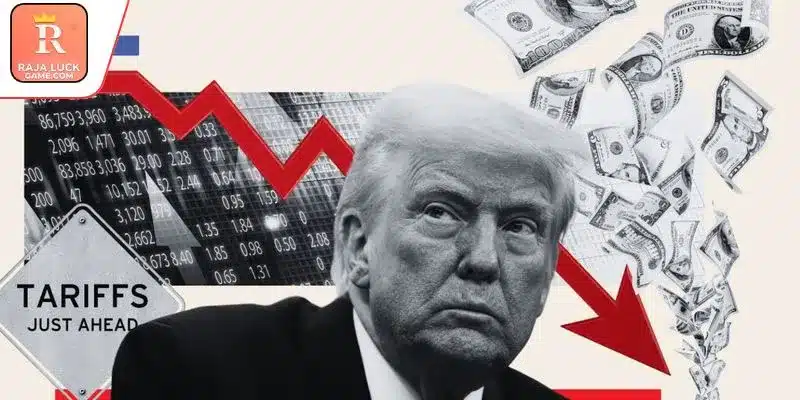
How tariff collection systems operate in modern trade policy
International trade rules often appear complex to general audiences. Policy debates often center on how tariffs are applied, collected, then redistributed through legal channels. Readers interested in market developments should examine how such financial flows occur. Continue reading for a clearer breakdown of the structure behind these discussions.
Financial structure behind collected tariffs
Government customs departments usually collect tariffs directly when imported shipments arrive at ports. In the policy period connected to Trump tariffs 133 billion, import charges applied to a wide range of goods including electronics, metal components, furniture, industrial equipment, consumer products. Total tariff revenue eventually reached roughly 11 trillion INR, according to various financial summaries, which explains why the issue gained attention among economists studying trade balance patterns.
Economic implications of Trump tariffs 133 billion
The policy created ripple effects across manufacturing supply chains. Some companies adjusted pricing structures because tariff expenses increased import costs by several percentage points. Analysts estimated certain industries faced cost increases near 5% to 20%, depending on product category, meaning the 11 trillion INR revenue total also reflected higher expenses absorbed by businesses operating within global trade networks.
Refund claims filed by import businesses
Court rulings later triggered a wave of refund applications submitted through customs review systems. Lawyers representing import companies argued that collected funds connected to Trump tariffs 133 billion should return to businesses that originally paid them. Some estimates suggested potential refund totals could reach nearly 14 trillion INR once legal claims, interest calculations, administrative procedures were fully processed through official trade courts.
Legal rulings influencing tariff disputes
Policy disputes often reach courts when executive decisions affect large financial totals. Judges reviewing tariff cases examine trade laws, congressional authority, executive powers, plus constitutional limits. Readers who follow market news may notice that legal interpretations often reshape financial outcomes. Continue reading to understand the legal dimension of these tariff discussions.
Court review examining Trump tariffs 133 billion
Several federal court panels evaluated whether emergency economic authority justified the tariff measures introduced during the policy period. Judges reviewed statutory language within trade legislation passed decades earlier. One legal interpretation argued that emergency powers should address direct national security threats, while critics believed broad tariff programs affecting 11 trillion INR revenue exceeded intended scope under congressional trade law frameworks.
Importer lawsuits challenging tariff legality
Large importing corporations filed legal petitions requesting repayment after court decisions questioned the tariff program. Many companies documented millions spent on tariffs during the policy period. Analysts estimated that some individual manufacturers paid more than 40 billion INR each year under affected product categories, showing why refund claims attracted significant legal attention across commercial sectors.
Trade policy impact from Trump tariffs 133 billion
The debate surrounding the tariff policy reshaped discussions among economists studying global commerce. Some researchers suggested tariffs temporarily encouraged domestic production within certain industries. Other specialists argued that trade restrictions increased production costs by raising prices for imported components worth roughly 2 trillion INR annually, illustrating how complex economic consequences can emerge from major tariff policies.
Budget consequences for federal revenue
Government financial planners also evaluated the role of tariff income in budget calculations. Revenue generated during the tariff period contributed roughly 11 trillion INR to federal accounts before legal challenges advanced. If refund claims succeed widely, treasury officials may face adjustments requiring repayment schedules tied to the disputed tariff program, a process that could stretch across several fiscal years.
Market interpretation of tariff revenue debates
Trade policy discussions influence investor expectations, supply chain planning, and corporate pricing strategies. Market readers often seek clear explanations describing how policy shifts affect economic signals. Understanding these interpretations allows readers to evaluate news headlines carefully. The following analysis explains how observers view the broader implications.
Import sector response to legal uncertainty
Import businesses often react quickly when legal outcomes influence costs. Some companies paused expansion plans during litigation connected to Trump tariffs 133 billion, because possible refunds or new duties created uncertainty within pricing models. Analysts reviewing trade flows estimated that delayed import orders temporarily affected goods valued at nearly 800 billion INR, demonstrating how policy disputes influence commercial decisions.
Investor attention on trade policy signals
Financial markets frequently react when large tariff programs appear uncertain. Investors examine supply chain data, export trends, manufacturing forecasts to estimate future corporate earnings. During discussion surrounding the 11 trillion INR tariff revenue pool, some analysts reported cautious investor sentiment across sectors linked to global shipping, heavy equipment production, and consumer electronics distribution.
Long term outlook for international trade policy
Trade specialists often emphasize that tariff debates rarely disappear quickly. Policy frameworks evolve through court rulings, legislative revisions, economic negotiations between countries. Observers studying Trump tariffs 133 billion note that future administrations may reconsider tariff authority rules, especially when collected funds exceeding 11 trillion INR become part of complex legal disputes affecting both public finance and commercial activity.
Conclusion
Trump tariffs 133 billion continues shaping trade discussions among economists, businesses, policymakers. Legal reviews, refund claims, policy debates still influence interpretations of this large revenue pool. Raja Luck encourages readers to follow verified news updates to understand how this major tariff issue evolves within global economic reporting.
